Water damage is one of the most common and costly problems that property owners can face. Whether caused by flooding, pipe leaks, roof damage, or appliance malfunctions, water intrusion can compromise the structural integrity of a building, damage personal belongings, and create conditions conducive to mold growth and other health hazards. When such damage occurs, understanding how insurance interacts with water damage Restore Draper is critical for property owners. Proper planning, documentation, and knowledge of coverage details can make the restoration process smoother, faster, and less financially burdensome.
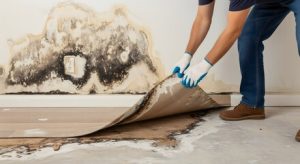
Insurance coverage for water damage varies widely depending on the type of policy, the source of the water, and the specific circumstances of the damage. Homeowners and property owners often assume that all water-related incidents are covered, but this is not always the case. Standard homeowners’ or property insurance policies typically cover sudden and accidental water damage, such as that caused by burst pipes or storm-related roof leaks. Conversely, gradual damage resulting from poor maintenance, long-term leaks, or neglected plumbing issues is usually excluded. Understanding these distinctions before a water damage event occurs helps property owners make informed decisions about both insurance and preventative maintenance measures.
One of the first steps after discovering water damage is contacting the insurance provider. Prompt notification is essential, as many policies have strict reporting timelines. Insurance adjusters often need to inspect the property to assess the extent of damage and determine coverage eligibility. Immediate action also helps minimize additional damage, which can strengthen a claim. Many restoration professionals emphasize that beginning the cleanup process quickly—while documenting the damage—reduces overall costs and increases the likelihood of insurance reimbursement.
Documentation is a critical component of both filing a claim and working with a water damage restoration team. Property owners should take photographs and videos of affected areas, note the source of the water if known, and keep receipts for temporary repairs or mitigation efforts. These records provide evidence of the damage and the steps taken to prevent further harm, supporting insurance claims. In addition, maintaining a detailed inventory of damaged personal items or structural components can simplify the claims process and help property owners recover maximum coverage.
Water damage restoration typically involves a combination of assessment, water extraction, drying, and cleaning. Restoration professionals use specialized equipment such as high-powered pumps, industrial fans, and moisture meters to remove standing water and dry affected areas. They may also apply antimicrobial treatments to prevent mold growth and address any potential structural compromise. Insurance providers generally require proof that professional mitigation measures were taken promptly to minimize further loss. Therefore, retaining reputable restoration services and obtaining detailed invoices and reports is essential.
Understanding policy limits, deductibles, and exclusions is crucial for property owners. Many insurance policies specify coverage limits for water damage, which may vary depending on whether the damage is caused by a natural disaster, plumbing failure, or other event. Deductibles must also be considered, as these out-of-pocket costs can affect the financial impact of a claim. Some policies include separate coverage for flood damage, which is distinct from standard water damage coverage. Property owners in flood-prone areas may need to purchase additional flood insurance to ensure adequate protection, as standard homeowners’ policies often exclude this type of damage.
One common misconception is that insurance will cover all types of water damage, including long-term or preventative maintenance issues. Gradual leaks, foundation seepage, or damage resulting from poor drainage may not be covered under typical insurance policies. Property owners are responsible for maintaining plumbing systems, roofs, and drainage to prevent such issues. Regular inspections and maintenance help reduce the likelihood of denied claims and mitigate potential risks. Insurance providers may refuse coverage if they determine that negligence or inadequate maintenance contributed to the damage.
Water damage can also result in secondary issues, such as mold growth, weakened structures, and electrical hazards. Many insurance policies have limitations on coverage for mold remediation unless it results directly from a covered water damage event. Restoration professionals often advise property owners to address water intrusion immediately, as mold can begin developing within 24 to 48 hours. Timely mitigation not only reduces health risks but also supports insurance claims by demonstrating that the damage was addressed promptly.
Property owners should also be aware of the different categories of water damage recognized by insurance and restoration professionals. Water damage is typically classified as clean water, gray water, or black water, each with unique implications:
- Clean water comes from a sanitary source, such as a broken supply line, and is generally covered by insurance.
- Gray water originates from sources such as dishwashers or washing machines, which may contain contaminants; coverage may vary.
- Black water includes sewage or floodwaters contaminated with bacteria or chemicals, often requiring specialized cleaning and potentially limited insurance coverage.
Understanding these distinctions is essential for property owners to anticipate potential costs and insurance responses. Restoration professionals tailor their techniques based on the category of water involved, ensuring safety and compliance with health standards. Insurance providers may also require evidence of proper handling of contaminated water to approve claims.
Collaboration between restoration professionals and insurance providers is key to a successful water damage recovery. Restoration companies often provide detailed reports, moisture measurements, and documentation of cleaning and drying processes that support insurance claims. This collaboration can expedite claim approvals, reduce disputes, and ensure that property owners receive appropriate compensation. Property owners should choose licensed and experienced restoration teams that are familiar with insurance protocols to facilitate a seamless process.
Preventative measures are another important consideration for property owners seeking to minimize future water damage. Installing water leak detection devices, maintaining plumbing systems, sealing roofs and foundations, and monitoring appliance performance can reduce the likelihood of water intrusion. Insurance providers may also offer discounts or incentives for proactive maintenance, further encouraging property owners to implement preventative strategies. By reducing the risk of water damage, property owners protect both their property and their financial interests.
Financial considerations play a significant role in water damage restoration and insurance planning. Even when insurance covers the majority of restoration costs, deductibles, limits, and policy exclusions may leave property owners responsible for certain expenses. Being aware of these potential costs in advance allows for better budgeting and preparedness. Property owners should review policies annually to ensure adequate coverage and make adjustments if necessary, especially if renovations, new appliances, or environmental risks increase potential exposure.
Emergency preparedness is another important aspect of managing water damage. Property owners should have a plan in place to respond to water intrusion, including identifying safe locations, shutting off water sources, and contacting professional restoration services promptly. Quick response not only minimizes structural and content damage but also demonstrates to insurance providers that property owners took reasonable steps to mitigate losses. Emergency preparedness and proactive documentation are key components of a successful restoration and insurance claim process.
Insurance claims for water damage can be complex, particularly when multiple sources of water are involved, or when damage affects both structural elements and personal property. Property owners should communicate openly with both restoration professionals and insurance representatives, providing accurate information and responding promptly to requests for documentation or inspections. Keeping a detailed record of all interactions, invoices, and photographic evidence ensures that claims proceed efficiently and that coverage is maximized.
In conclusion, insurance and water damage restoration are closely interconnected. Understanding the types of coverage available, the limitations of policies, and the role of timely professional intervention helps property owners navigate the restoration process with confidence. Water damage, if left unaddressed, can lead to structural deterioration, mold growth, and costly repairs, making prompt mitigation and thorough documentation essential. By working with experienced restoration professionals and maintaining clear communication with insurance providers, property owners can protect their investments, minimize financial losses, and restore their property safely and efficiently.
Property owners should take a proactive approach by maintaining their property, understanding their insurance policies, and having a clear plan for emergencies. Regular inspections, preventative maintenance, and timely professional intervention not only enhance the longevity and safety of the property but also support insurance claims and reduce stress during the restoration process. Ultimately, knowledge, preparation, and collaboration with professionals are the keys to successful water damage restoration and effective use of insurance coverage.